The Uimon Valley and Tungur
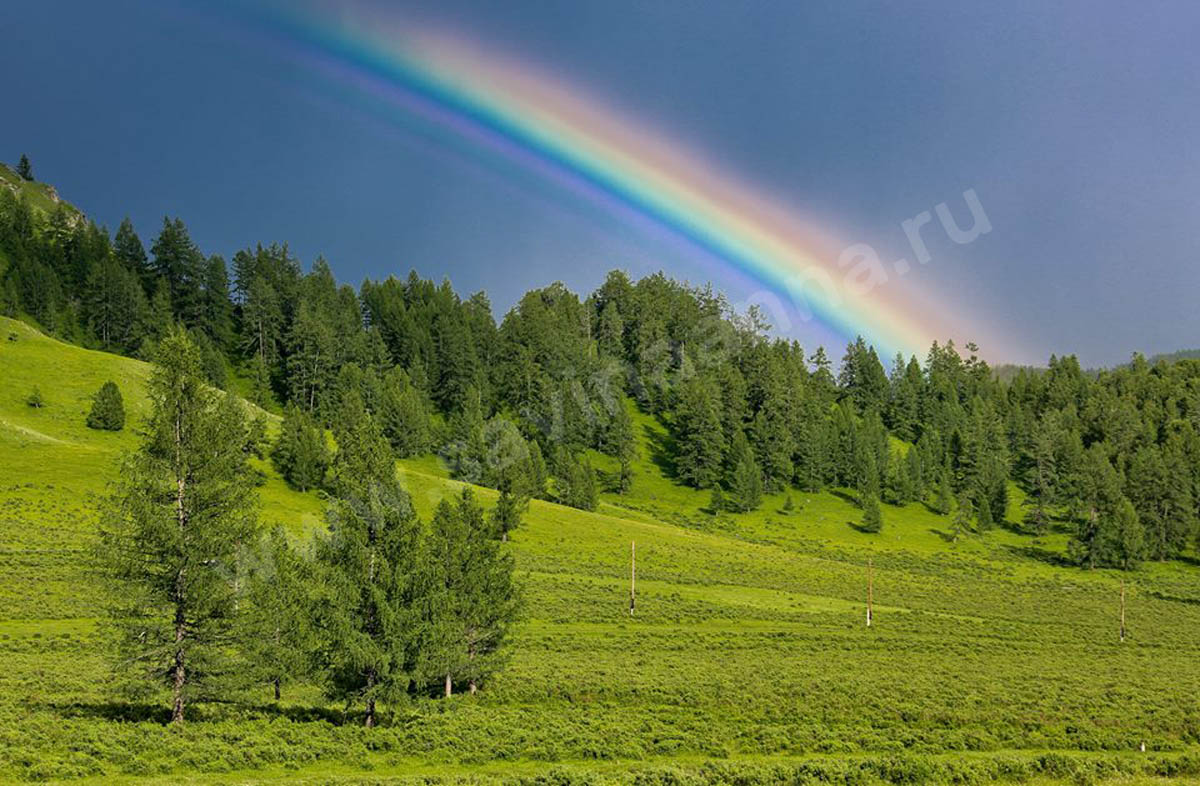
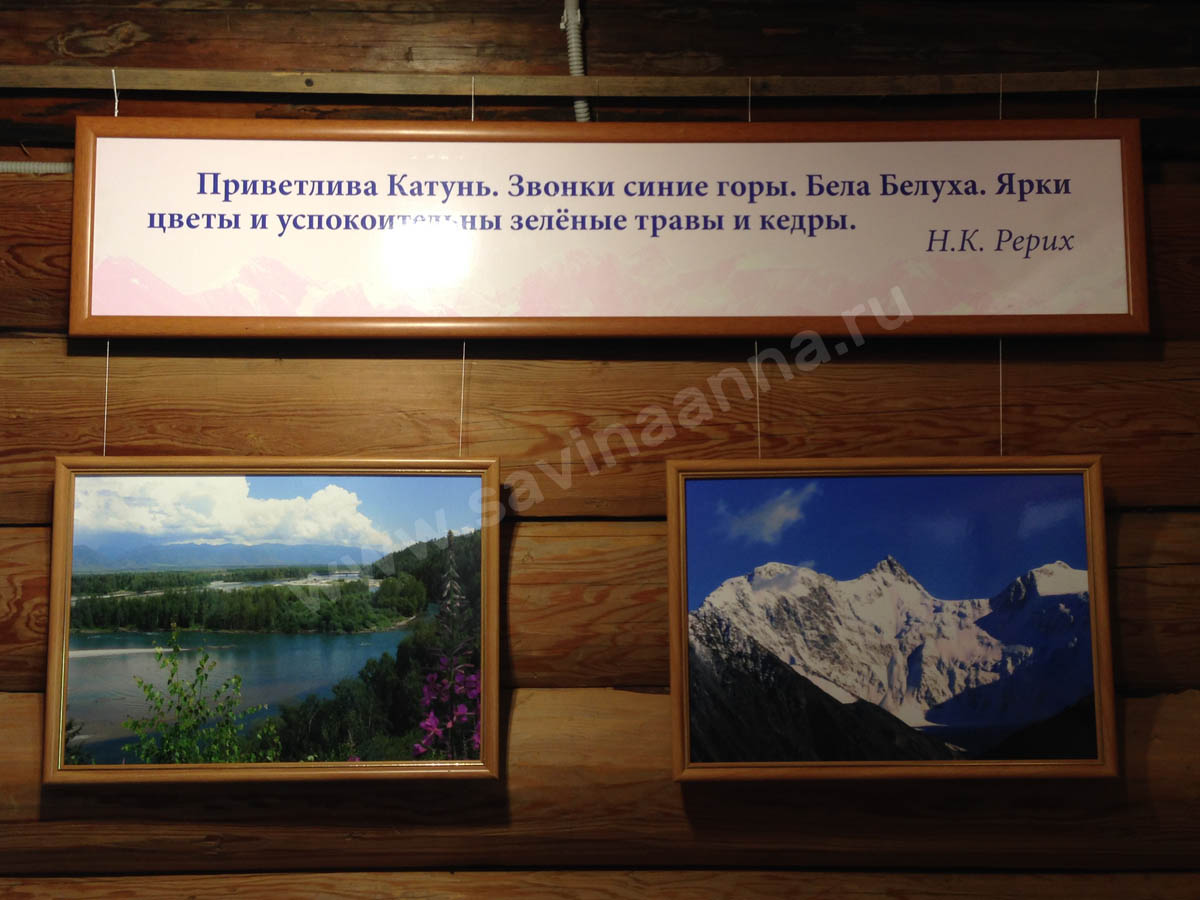
There is a place in Altai that has a truly magical attraction. People came here since olden times, overcoming all the difficulties of the way, sparing neither the effort nor the time. In the Uimon valley, white milk rivers flow in the green banks, the rainbow after the storm connects the banks of the beautiful Katun, and under the multi-colored beam hide the treasures of ancient times. Here the land is generous and fertile, but to not be move away on it good and beauty, severely look after people the eternal mountains - the highest, most inaccessible in the Altai mountain system Katunsky ridge. Here, above the clouds, there are two proud peaks of the regal Belukha, the sacred Uch-Sumer, the icy Muzdu-Tuu - the highest peak of the Altai Mountains and the whole of Western Siberia, the center of beauty and bright energy.
Landscapes and secrets of the Uimon
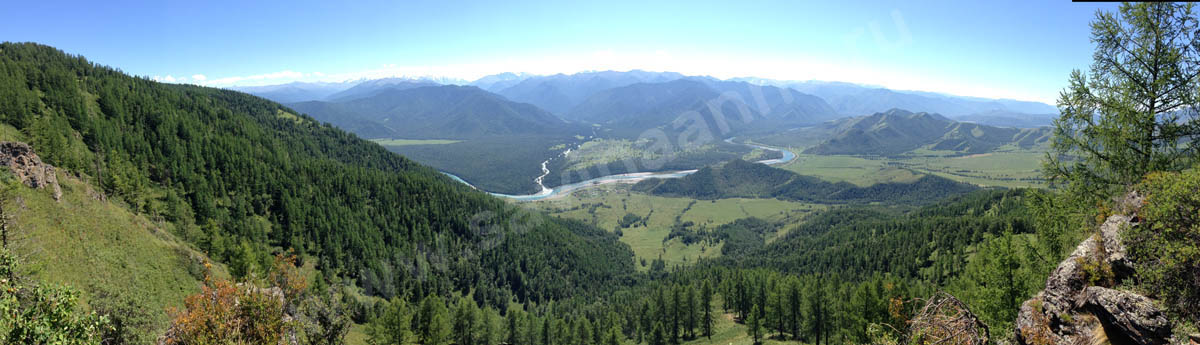
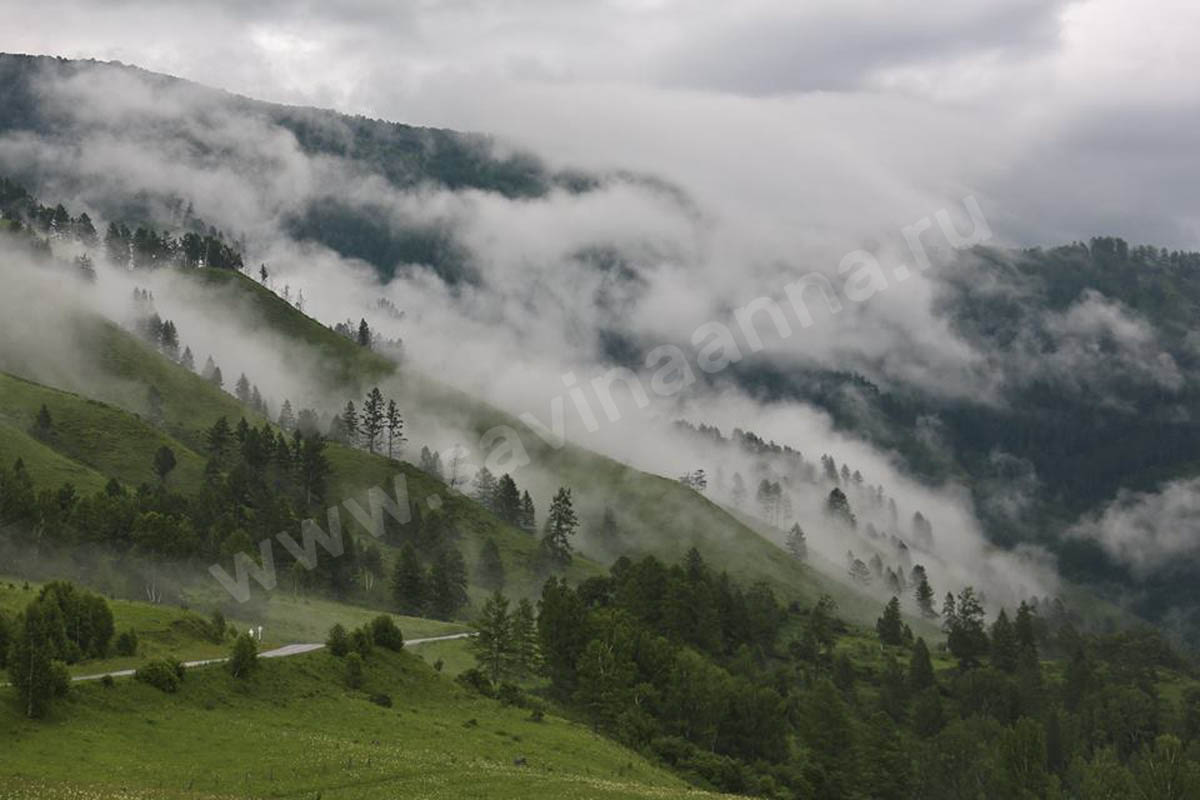
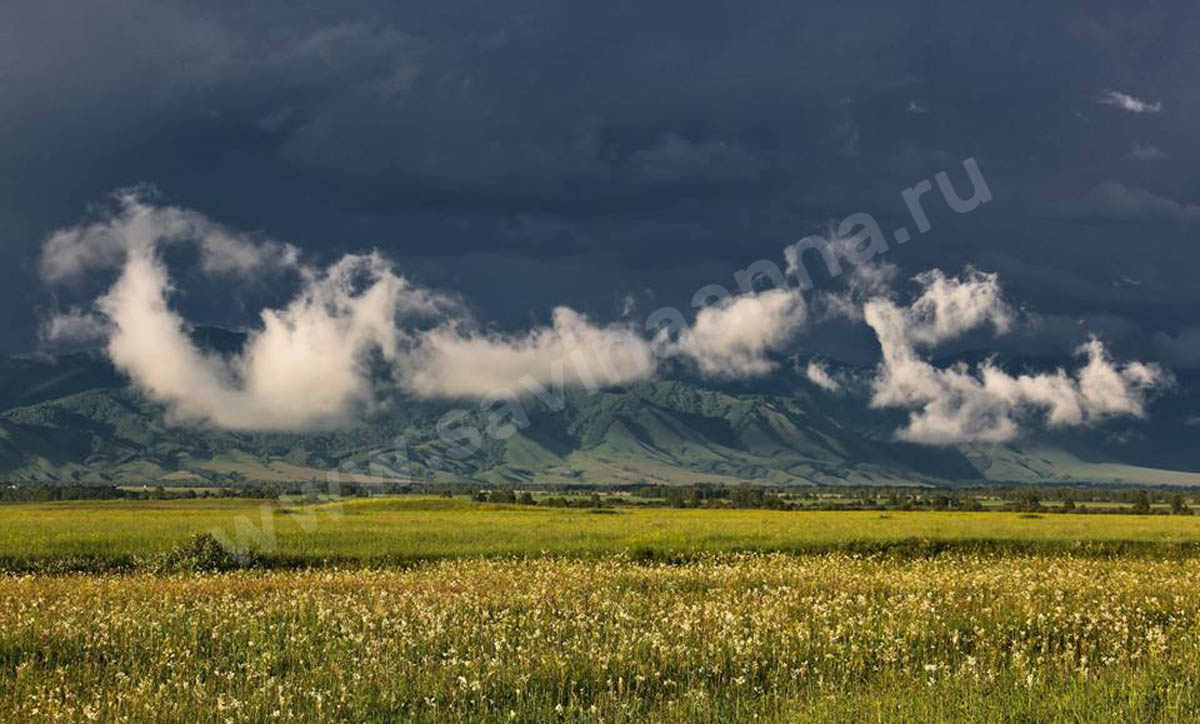
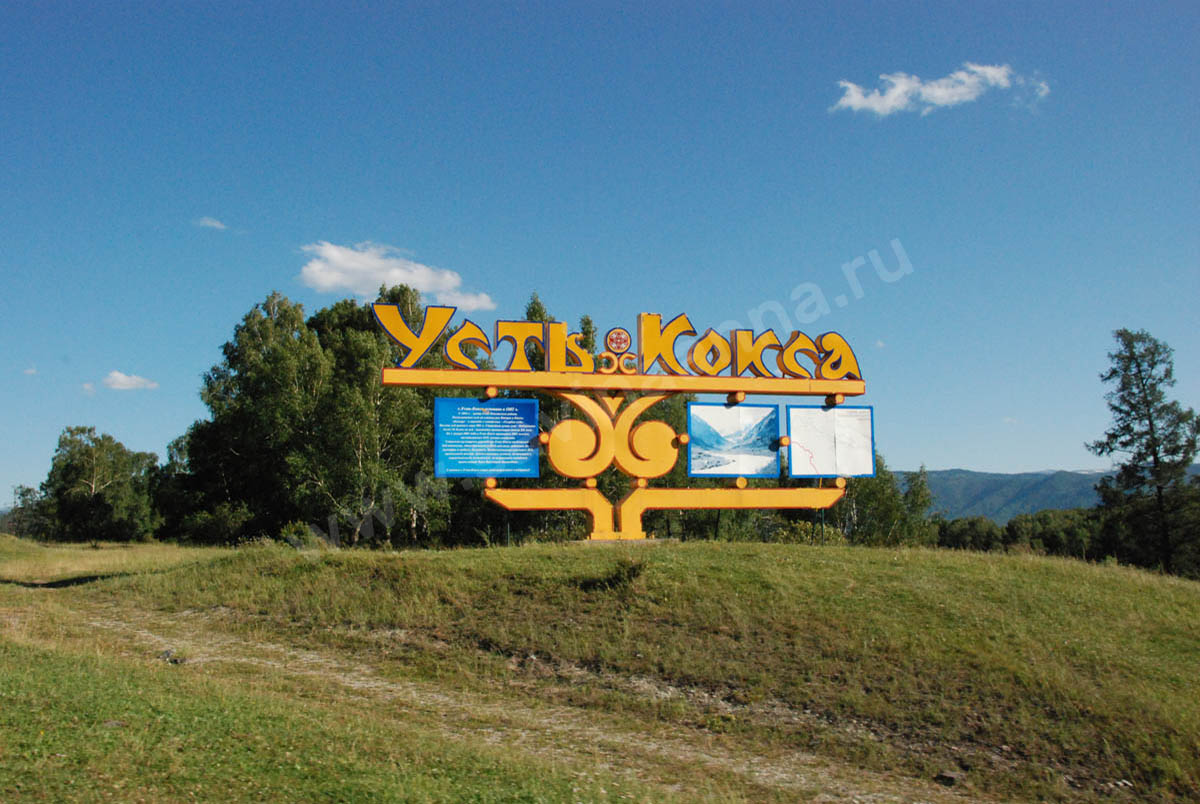
The Uimon valley is really a secluded place: there is only one road leading here, the Ust-Koksinsky tract. It enters from the north-west along the severe slope Gromotukha and crosses the steppe by the left bank of the Katun. In a wide valley from it, like streams, run the road to scattered villages between ridges. All Uimon's steppe can be travelled round in one day. In every wonderful corner you can stay for a week - and do not get bored.
Only by one name you can understand that these lands are the kingdom of the mountains. What a beautiful name for the village: Kastahta, "a mountain like an arrowhead"! In the fringe are known archaeological memorials of Scythian, Hunno-Sarmatian and ancient Türkic times, burial places and traces of ancient settlements. Closer to the mountain slopes you can see the lonely cliffs - these are nature monuments Kastakhtinskiye leftovers, which arose as a result of the activity of the deep-water Uimon lake, completely hiding the valley more than 20 thousand years ago; today almost everyone of the leftovers is the focus of energy flows. Not far from the village Chendek locals will show you lakes with "live" and "dead" water, as well as a healing key-arzhan. In the district, the traces of time will be opened to the eye: ancient mounds, stone steles and balbaly, petroglyphic pictures near the Margala River.
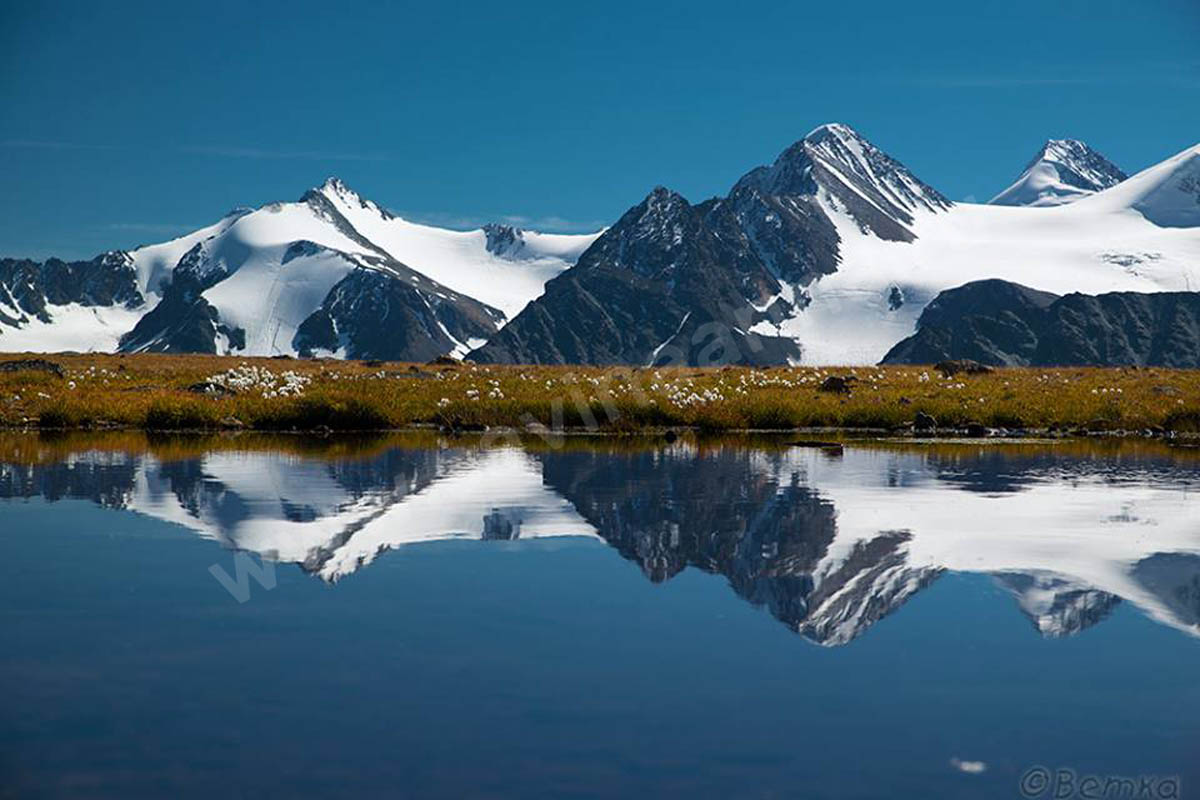
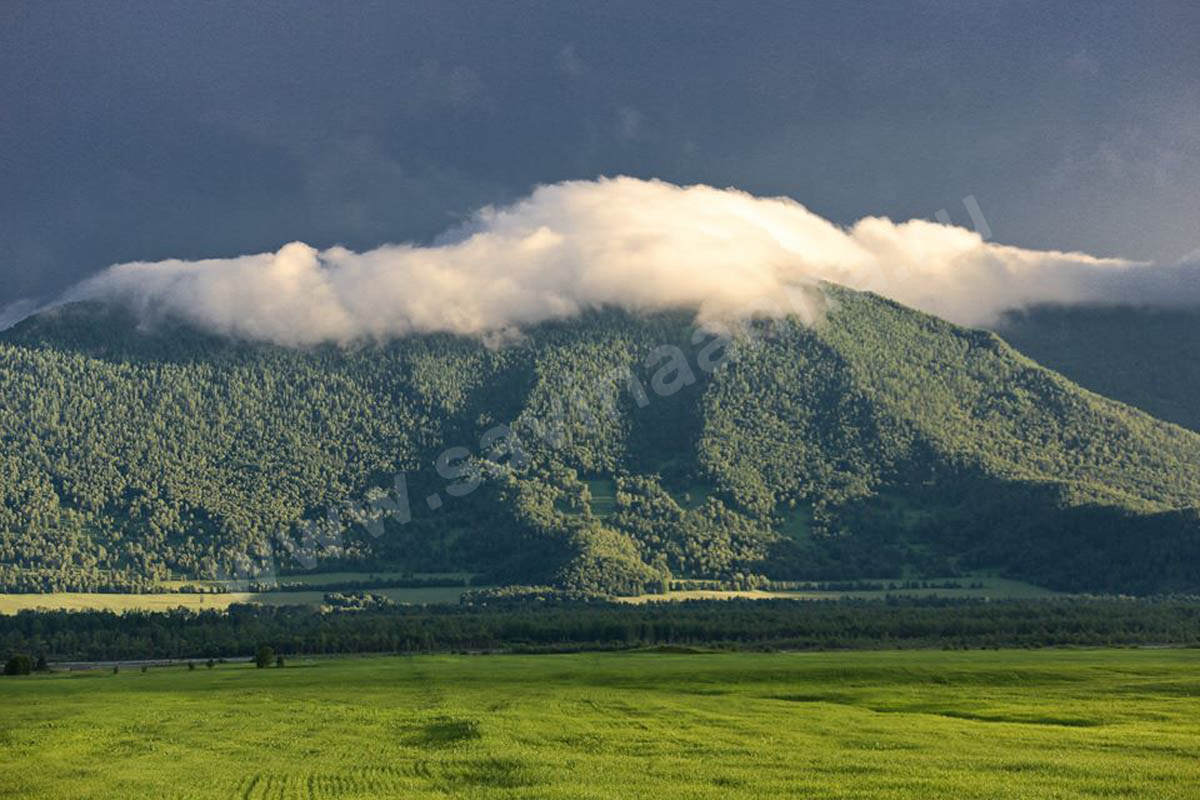
The population of the valley is mixed, along the banks of the Katun, there are ancient Russian huts and Altaic ayls, Orthodox and Old Believer churches are functioning, and the original Altai sacred places are preserved. Practically from each village up the rivers there are trails to the tops of the Terektinsky ridge, to the mountain lakes-saucers scattered in secret places with the purest blue water, to the survey points, from where opens the view of the half-Altai, including the neighboring Katunsky ridge with the majestic Belukha . From the Uimonsky valley begin the routes to the sacred Red Mountain, the magical Multinskiye lakes, the sources of the mistress of the waters of Altai - the Katun River.
In the Center of Eurasia
The Belukha Mountain and its environs - Katunsky Ridge, Uimon Valley, the upper flow of Katun - is the very center of the largest continent of the planet, a unique region at an equal distance from the four oceans of the Earth. Moreover, not only the material and geographical center, but also the mental, energy, spiritual center. The Real Heart of Eurasia.
Is it surprising that Belukha is confidently identified with Mountain Meru, the axis of the universe in Buddhist and Hindu cosmology, the center of all existing Universes, the abode of Brahma? And the Umonsky valley, which stretches under its shadow, with Belovodye, a
country of enlightenment and happiness? The name Uimon is derived from the ancient root "oim", "aum", which means "the place of sacred wisdom."
Old Believers in Altai
Upper Uimon is one of the oldest villages in the Ust-Koksinsky District, the first Russian village in the Uimon Steppe; it was founded by the Old Believers who ran after the split of the Russian Orthodox Church to Altai, in search of Belovodye, the country of "true faith and ancient piety." Here they continued to live according to their own laws, simple but severe: to be firm in faith, not to lie, not to steal, do not smoke and do not drink alcohol, honor parents.
In the end of the 19th century, Upper Uimon became not only the center of the Old Believers' culture, but also an unofficial managing center. Residents of the village had strong farms, independently conducted trade with China, kept shops near the city Urumchi. The descendants of the Old Believers keep their "feature" to this day. By the way, not only spiritual, but also material: in the village you can see houses built from leaf material and fir-trees according to the covenants of antiquity, with observance of the lunar cycles; on some preserved paintings of the legendary folk artist Agashevna.
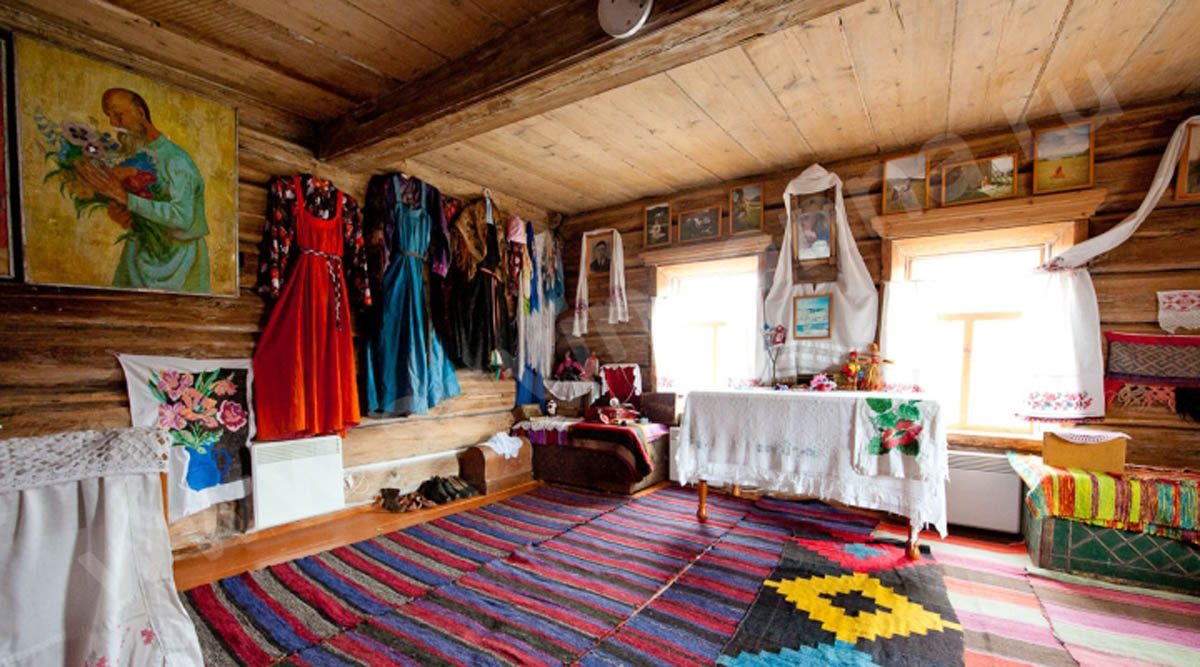
The ethnographic museum in the village Upper-Uimon is located in a house over 100 years old. This is a house-bond, a typical hut of Russian Old Believers, in which the interior is preserved with a Russian stove, polaty, benches, shelves for dishes. On the walls there are embroidered towels, mirrors, children's zybka with homemade toys, a shrine with old believe books, icons, censer, candlestick. In the hall is stored horse harness, saddles, dishes: pails-kwashonki, large and small tuesa, old churn, scourers. The museum has a lot of material about the history of the Old Believers.
Today the role of the spiritual center of the Old Believers of Uimon passed to the village Multa - "bird cherry". And in the next Zamulta, on the other bank of the river, the temple of Elijah the Prophet of the Novosibirsk diocese of the Russian Orthodox Old Believer Church is built. Behind the village, the slopes of the Filaretova Mountain show green: it was inhabited by a hermit Filaret, who chose the path of the recluse in sorrow for the people's loss of firmness in faith. He built himself a cell and never again descended into the valley, spending days in fasting and prayers, but died in the day and hour he had predicted. Since then, to the Filaretova Mountain locals go to pray, as well as collect medicinal herbs, which began to grow here in abundance, and all with amazing healing power.
The Legacy of the Roerichs
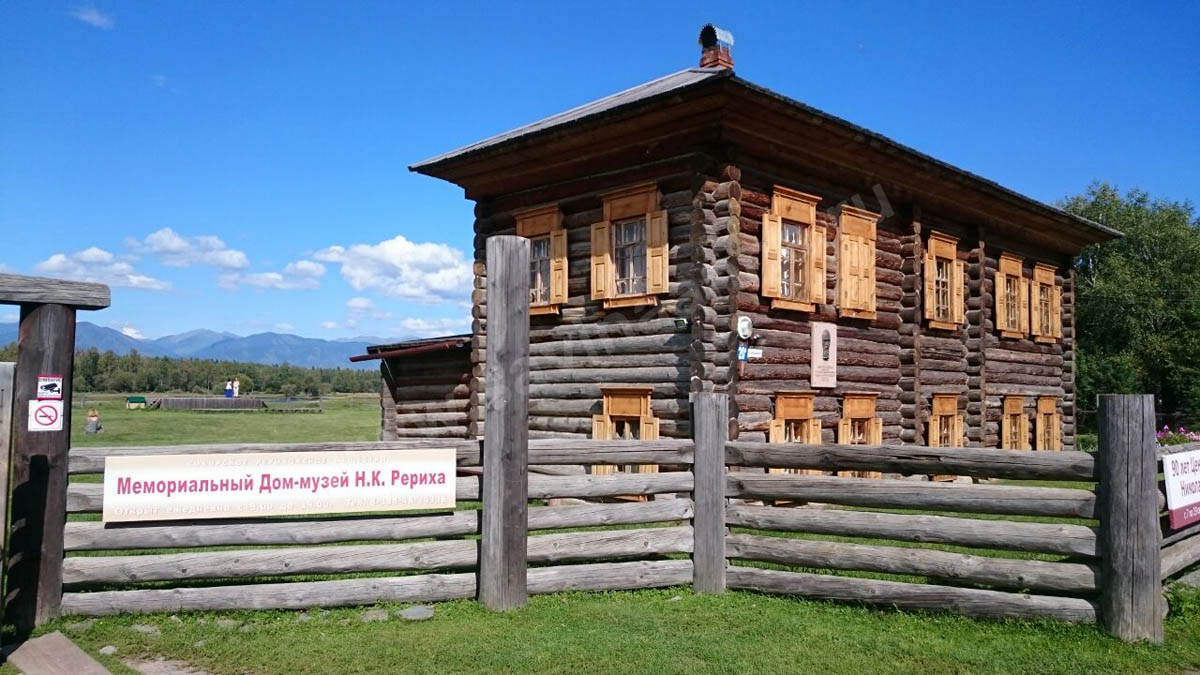
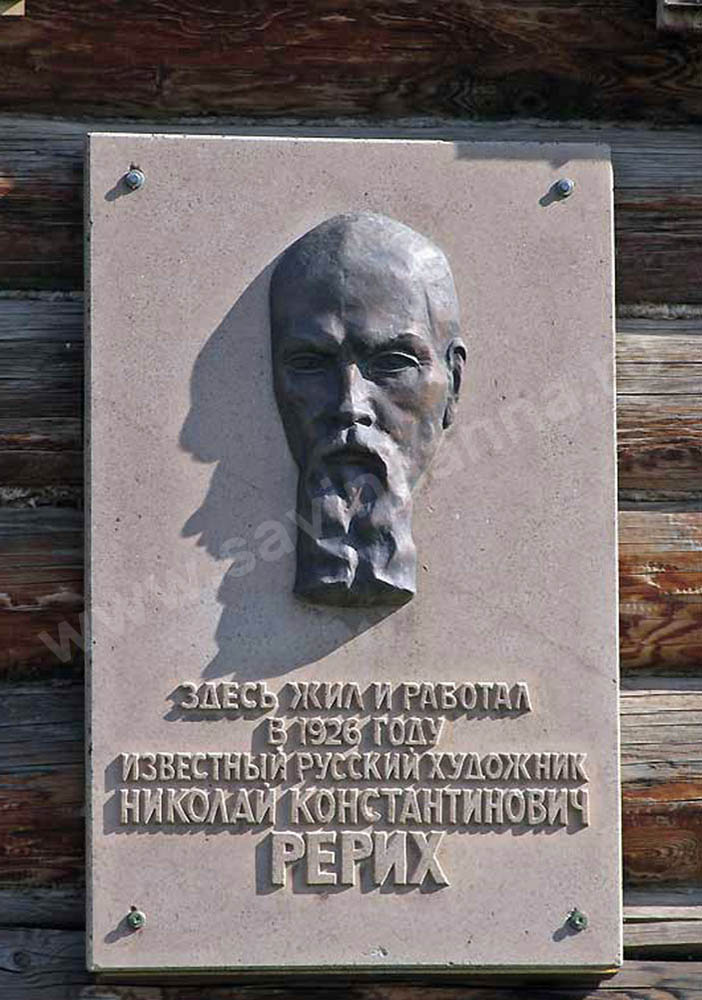
In the village Upper-Uymon the house-museum of Nikolai Roerich is located. The name of the great philosopher and artist is so firmly bound with Altai that it seems for many people that he spent a lot of time here. In fact, during the famous Central-Asian expedition, Nikolai Konstantinovich and Elena Ivanovna stayed in the Uimon valley for only two weeks. But this, again, is a material presence; as for the presence of the spiritual, the subtle connection of the Roerichs with Altai was practically constant.
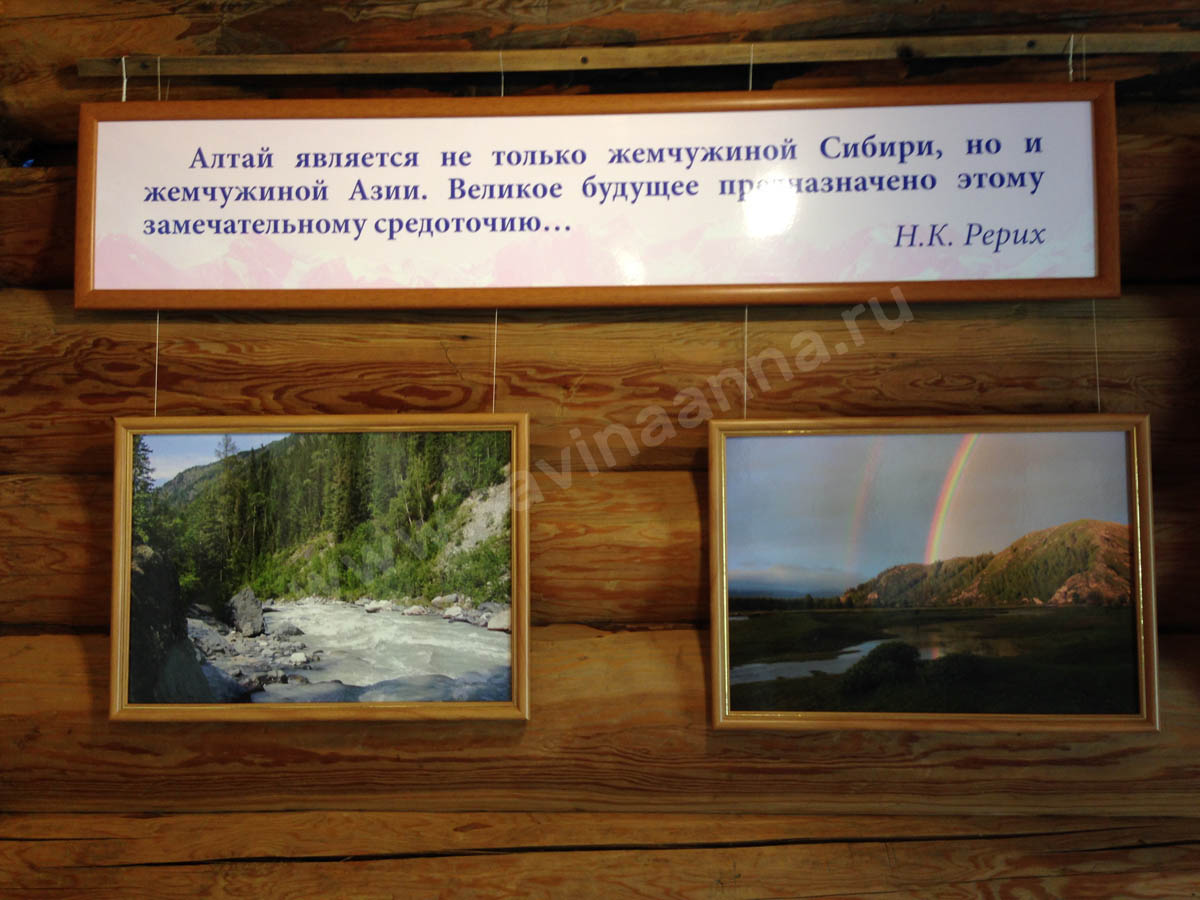
Roerich drew a lot in the Uimon valley. Enchanted by the surrounding beauty, in less than a month he wrote about 200 etudes; many of them are now stored in the best museums in the world. And the teaching of the Living Ethics during the Roerichs' stay on the Altai land was supplemented by many chapters into the book "The Community". In one of the letters of Nikolai Konstantinovich there are such lines: "Altai is not only a pearl of Siberia, but also a
pearl of Asia. The great future is destined for this wonderful center. The valley between Uimon and Katanda will be the place of a large center. "
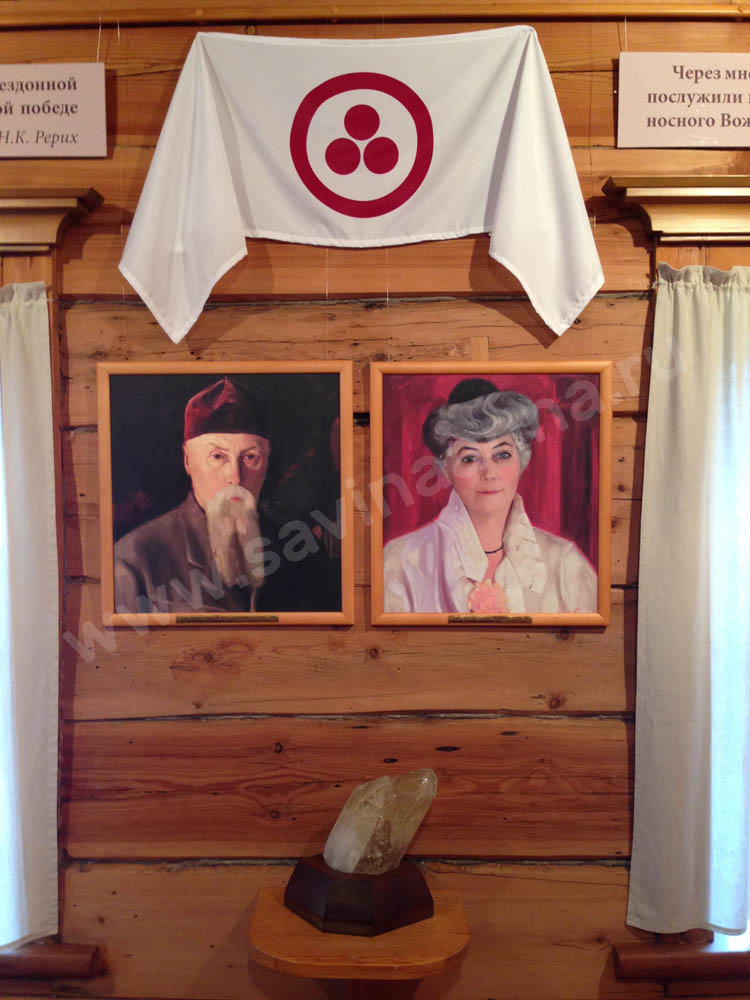
The museum works exactly in that homestead, where in the end of summer of 1926 the expedition stopped. In the exposition - reproductions of paintings, interesting photographs, original documents. Thousands of people come annually to Uimon to come in contact with the Roerich legacy.
Rich Baida
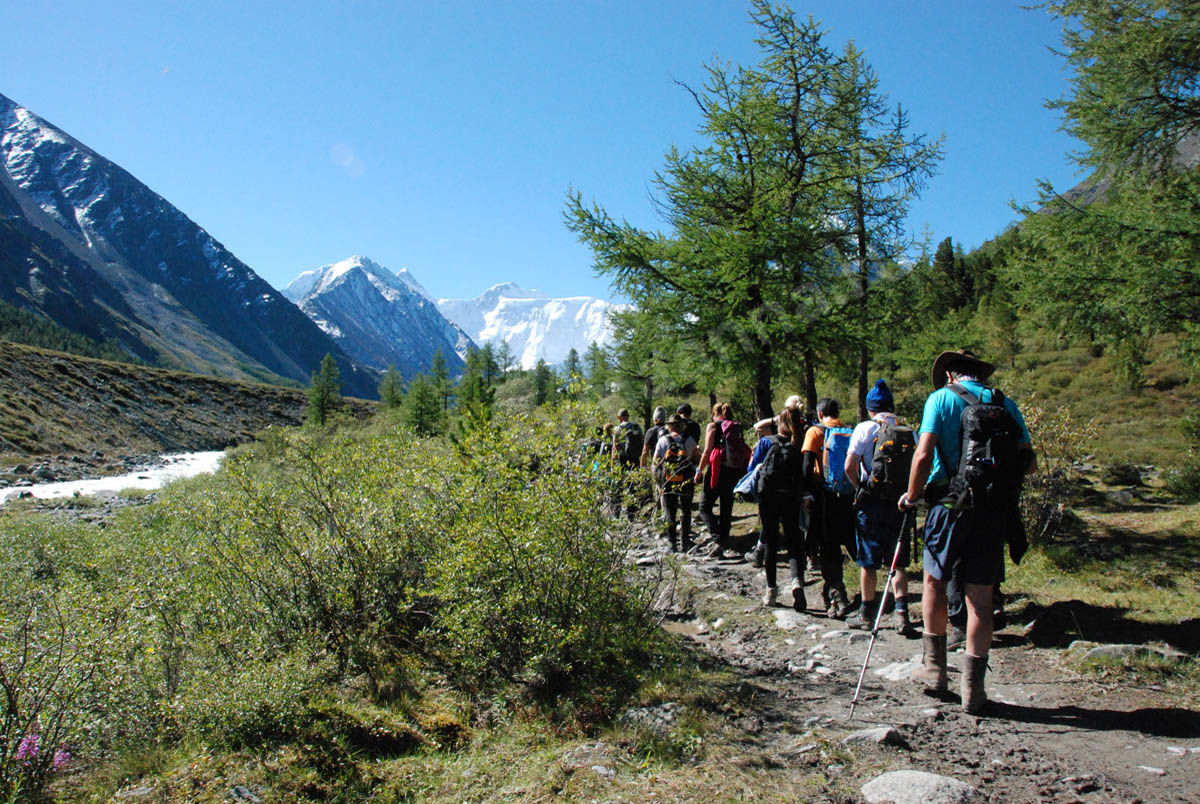
From the Uimon valley, the only highway leads through the Katandinskaya steppe and river canyons to the village with the echoing name Tungur, where the highway ends, and hiking routes to Belukha Mountain begin. "Katanda" means a "hairy mountain" in translation, and "Tungur" means a "shaman's tambourine".
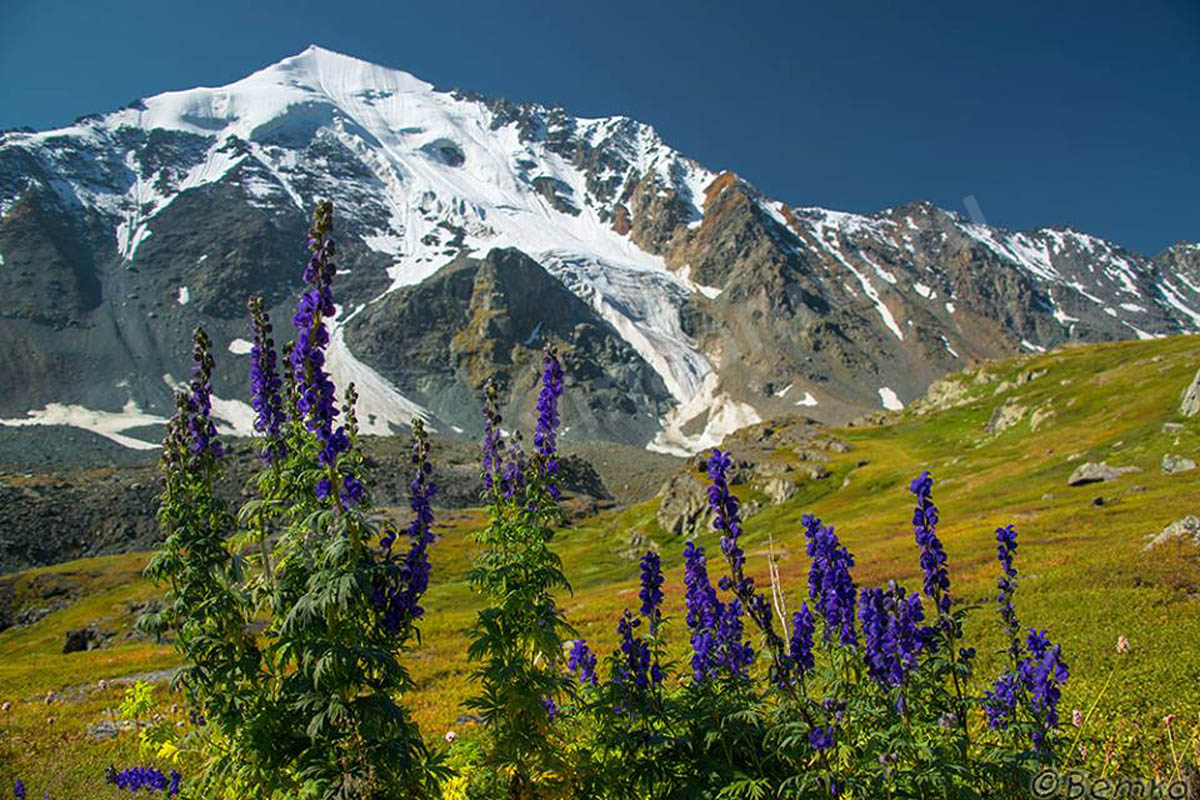
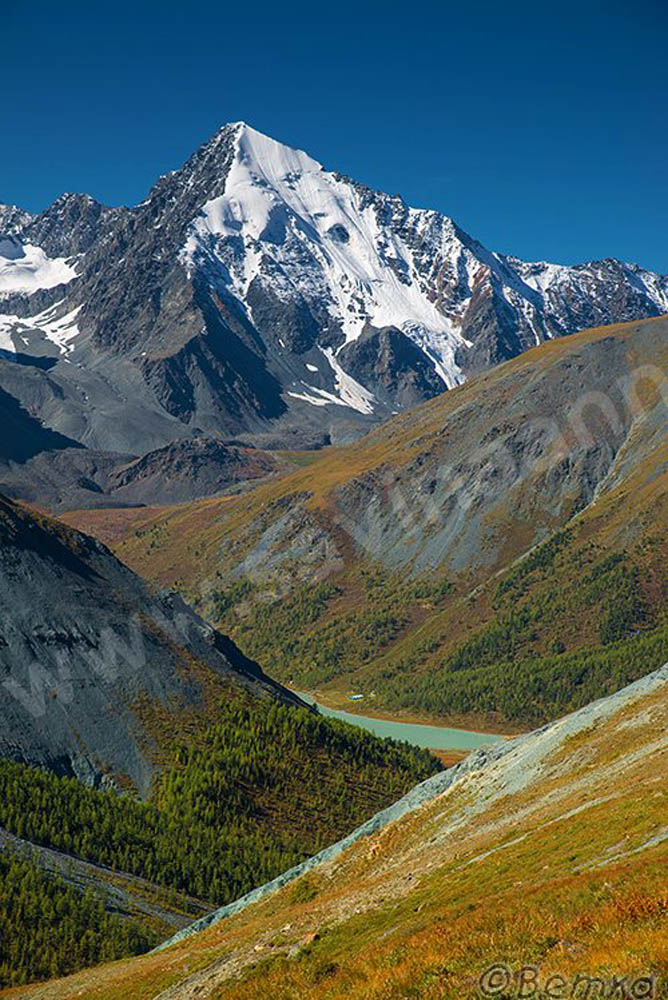
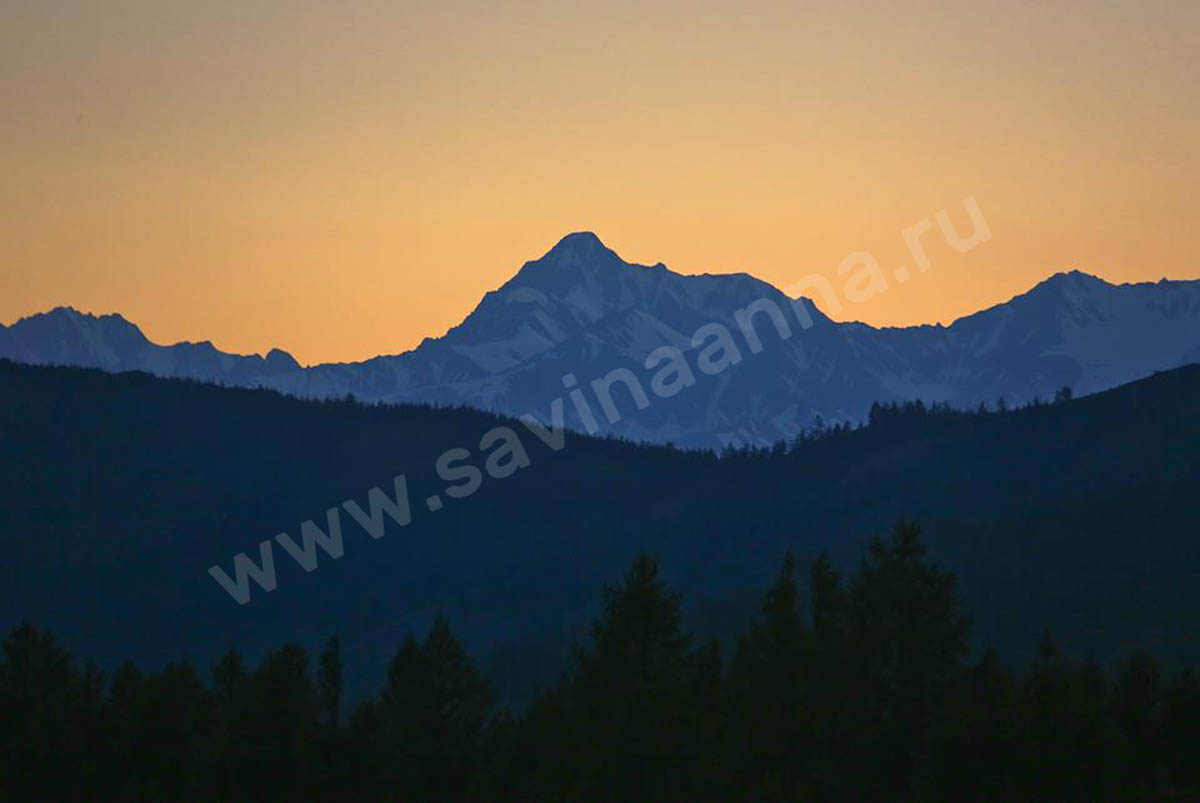
Belukha beckons and attracts like a universal magnet. And don`t let everyone enough time and energy to reach the great mountain Uch-Sumer, only special people are allowed to rise on its icy slopes. Anyone who reaches Tungur can see the dazzling light of Belukha: in clear weather they can be seen from any point of Mountain Baida towering above the village. As we rise to the high observation platforms, firstly on the background of the celestial blue two snow-white peaks appear, and then Belukha grows sweepingly over the offshoots surrounding it, over the glaciers of the Katunsky ridge, over this world and the Universe…
The name Baida comes from the "buy-tuu", in the translation from the Altai language - "a rich mountain". Really rich! Dark emerald larches, spreading handsome cedars with fluffy crowns are on the way. In the beginning of summer alpine motley grass blossoms along the ringing streams; in the pastel pattern flare up bright inflorescences of lights. You can go uphill on foot for 3-4 hours, on horses even faster. And you can also go to a two-day hike to spend the night at the fire under the cedars and contemplate Belukha in the colored vesture of dawn and sunset. Another translation of the name of the mountain - "helmet", another legend says that this ancient hero in the form of a forested mountain guards the abode of light, the icy Uch-Sumer. And who knows if there is some sanity in this legend: the best point for contemplation of Belukha, another such place from which it would open in full power and beauty, does not exist in the entire Mountain Altai.
Three rivers and three mountain ridges
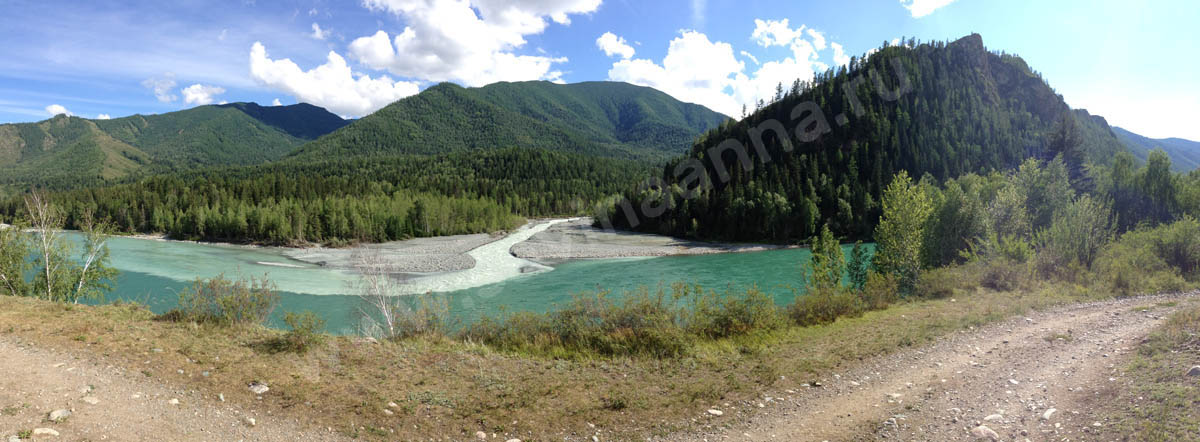
But not only by the visual proximity of Belukha is the area of Tungur famous. In this space on the outskirts to the main peak of Altai, powerful energy flows, the forces of the earth and water cross. Three legendary rivers pour their waters here: the mistress Katun, the impetuous Kucherla and the white-foamed Akkem. Three greatest mountain ridges of Altai almost contact by the foot: the celestial Katunsky ridge with dozens of tops for 4000 m, only a little less in height to it the North-Chui ridge, and the low Terektinsky ridge, which is not at all lacking in beauty and Places of Power. Sacred number three!
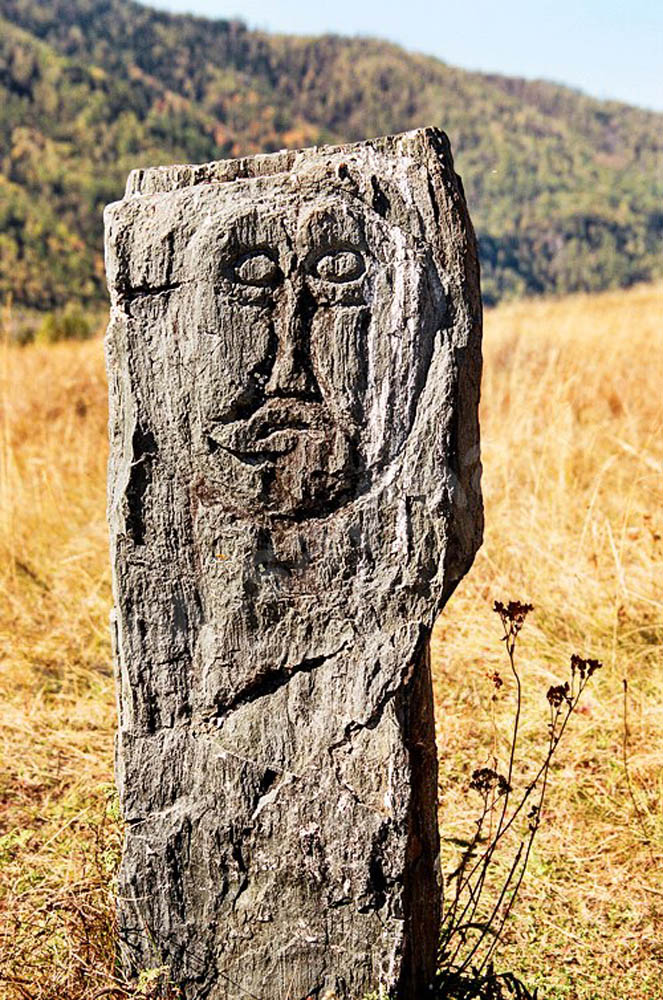
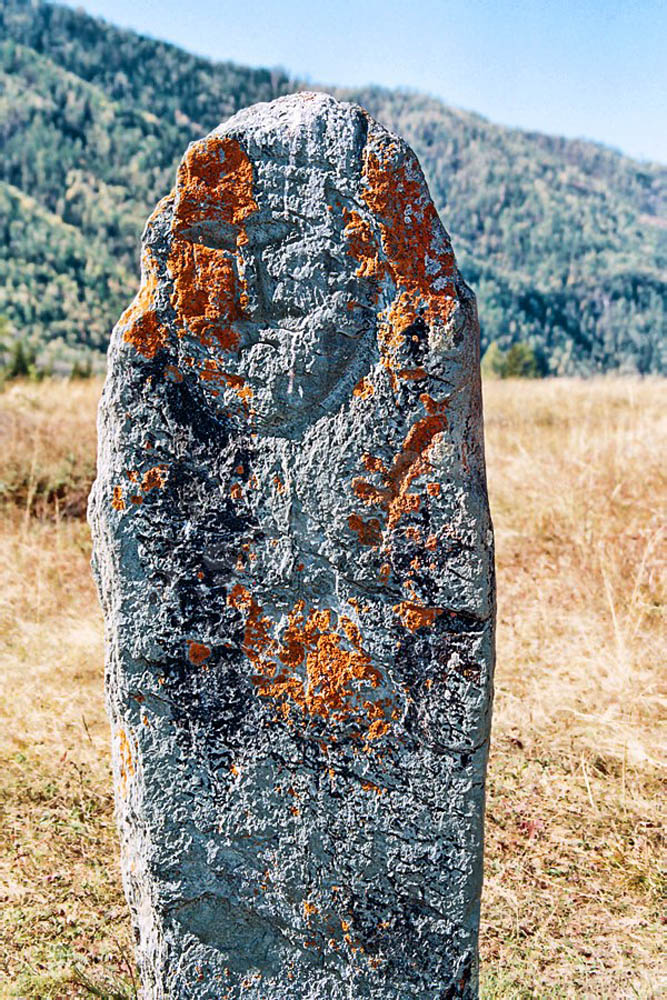
Almost in the middle between the confluence of the Kucherly and Akkema rivers in Katun, on a high plateau above the Turgunda River into the Tolono, there is an ancient Turkic sanctuary. Here seven (again, symbolic numbers!) stone women were set, or, it will be more precisely, seven kezer-tash - stone warriors. All the stone sculptures found in Altai depict exclusively men, with a ritual dagger on the belt and a sacred vessel - the receptacle of the soul - in the hands. Such statues were established in honor of the end of the life path of the leaders and great warriors, so that their imprisoned in the stone spirit still viewed and
defended their possessions. Some of the sculptures did not come through the destructive influence of time, but the special aura of this place was preserved; it can be felt by everyone who has come to the Tolono.
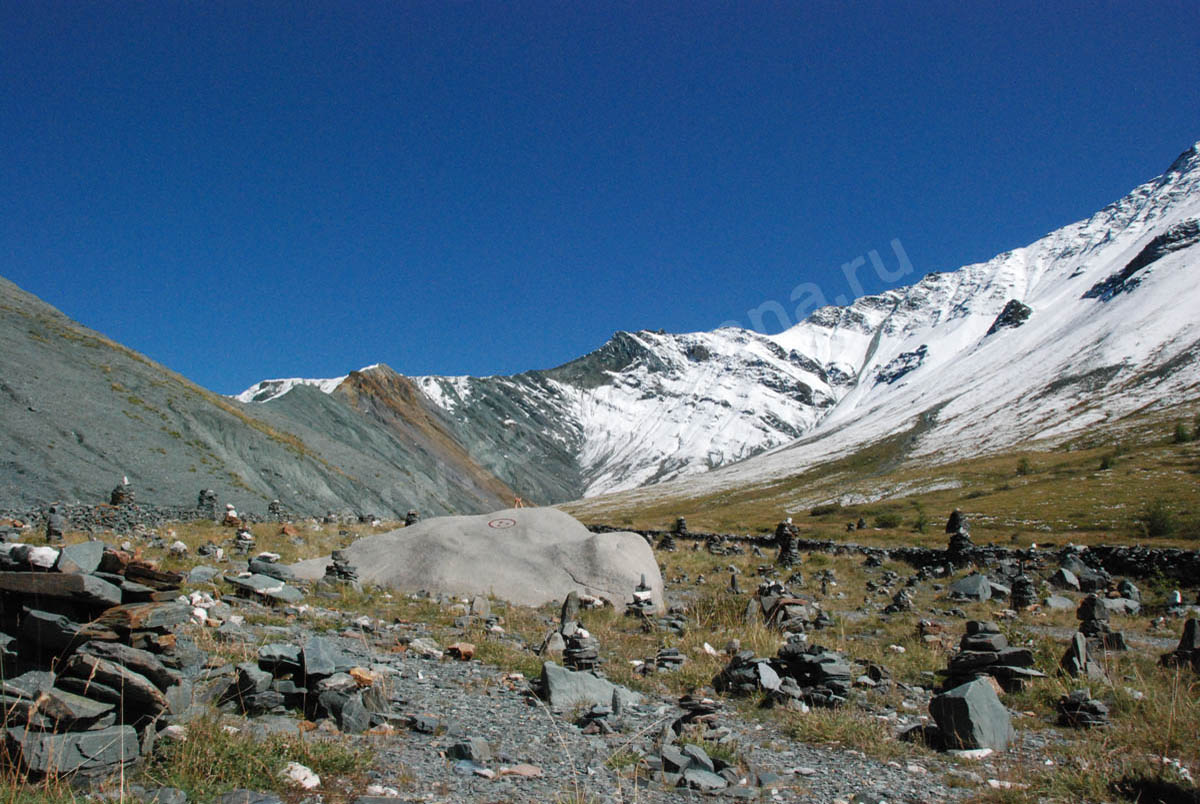
From Tungur begin ninety-nine of hundred journeys to Belukha, to Kucherlinskoye Lake, to the Yarlu valley, to the Mountain Spirits Lake and other precious places. Sometimes it seems that these names are constantly spreading between the mountain slopes; pronounced hundreds of thousands times, they simply can not be silent and sound over the Tungur as the eternal echo, accompanied by the barely audible clutter of the shaman's tambourine.